Planning a tattoo in Bali can be an exciting part of your trip, whether you are looking for a minimalist design, a detailed custom piece, or a meaningful reminder of your time on the island or simply a piece of art you have wanted for a long time. If you are thinking about getting one in Bali, the most important decisions often happen before you sit in the tattoo chair.
You might already have a design saved on your phone. Perhaps you are collecting ideas, comparing tattoo styles, or trying to decide whether your holiday schedule leaves enough time for a new piece of ink.
Whatever stage you are at, having a clear plan can make the process easier. The goal is not to rush into a design because you happen to be in Bali. It is to find an idea that suits you, choose an artist whose work matches your vision, and understand what your tattoo will require after the appointment.
At Sunset Ink Bali, we believe the best starting point is a conversation about the tattoo you want to create. Here is how to approach the process, from gathering inspiration to planning your time in Bali.
Start With the Idea, Not the Tattoo Trend
It is easy to become overwhelmed by tattoo inspiration online. One image leads to another, and before long, you may have dozens of designs saved without knowing which direction to take.
Instead of choosing the first design that catches your attention, begin by identifying what you actually like about it.
Is it the fine detail? The simplicity of the composition? The way the tattoo follows the shape of the body? Or perhaps the meaning behind the image?
Understanding your preferences makes it easier to communicate your ideas to an artist.
Build a Reference Collection That Makes Sense
Save a small collection of images that reflect your preferred style. You do not need to find one perfect reference image; several examples can help communicate different aspects of your idea.
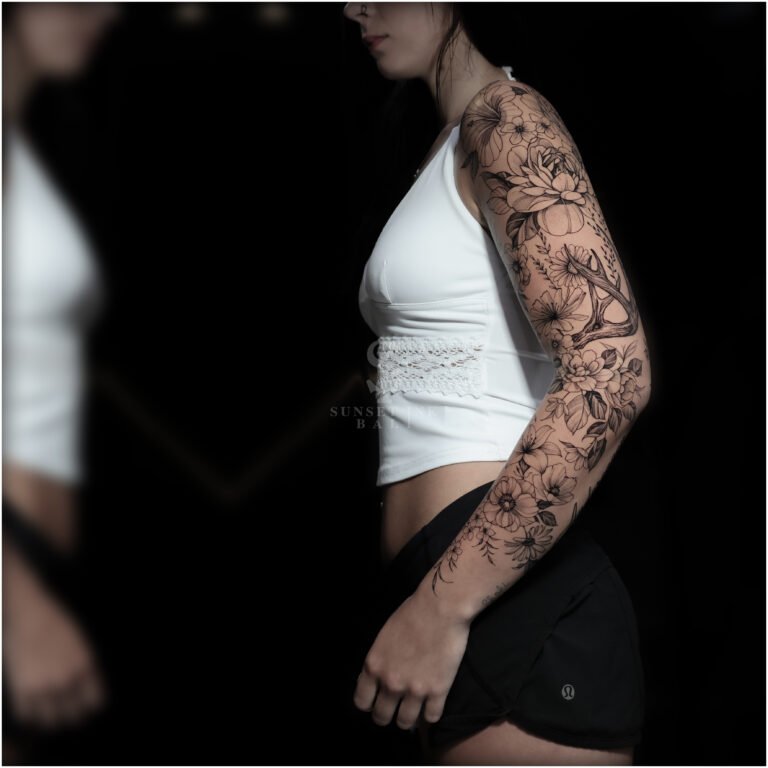
For example, one image might show the floral elements you like, while another illustrates the placement or overall flow you want.
Try to distinguish between features you want to keep and details you are happy to change. This gives your artist room to develop a design that works well as a tattoo rather than simply reproducing an image without considering its suitability for skin.
If you are interested in a custom design, be prepared to explain the idea in your own words. A clear concept is often more useful than a large folder of unrelated references.
Think About What You Want the Tattoo to Represent
Not every tattoo needs a deep personal meaning. Some people choose designs for their appearance, while others want to commemorate a relationship, experience, or important stage of life.
Both approaches are valid.
What matters is that you feel comfortable with your choice. If a design represents something personal, consider whether its symbolism, wording, or imagery accurately reflects what you want to express.
Taking a little time to clarify your intentions can help you make decisions about the design, size, and placement.
Choose a Tattoo Style That Fits Your Vision
Once you have a general idea, explore the styles that could bring it to life. Different techniques produce different visual results, and the right choice depends on the subject, available space, and your preferred aesthetic.
Fine Line and Delicate Designs
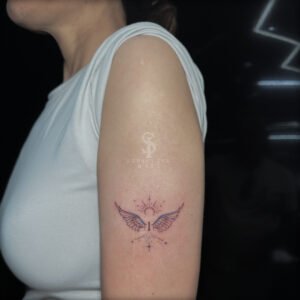
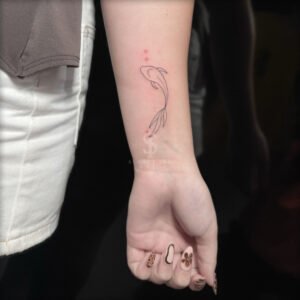
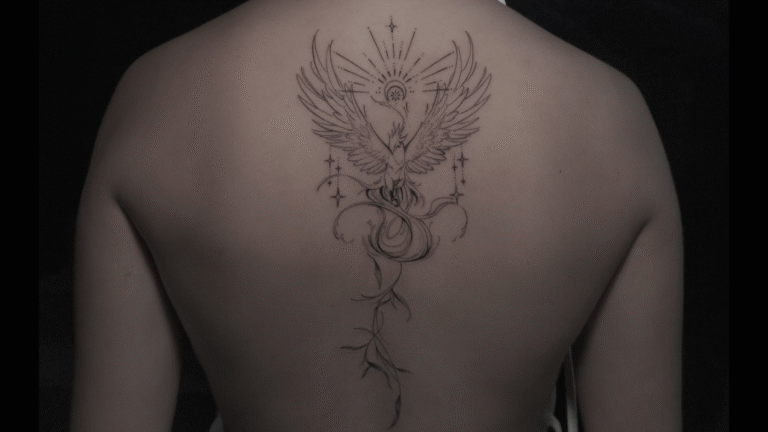
Fine line tattoos are often chosen for their subtle appearance and detailed linework. Common subjects include flowers, botanical illustrations, small symbols, ornamental elements, and lettering.
The design needs enough space for its lines and details to remain distinguishable as the tattoo ages. Making an image smaller does not always make it better, particularly when the reference contains intricate details.
If you prefer a delicate tattoo, ask your artist how the design might need to be adjusted for your chosen placement and size.
Blackwork and Bold Graphic Designs
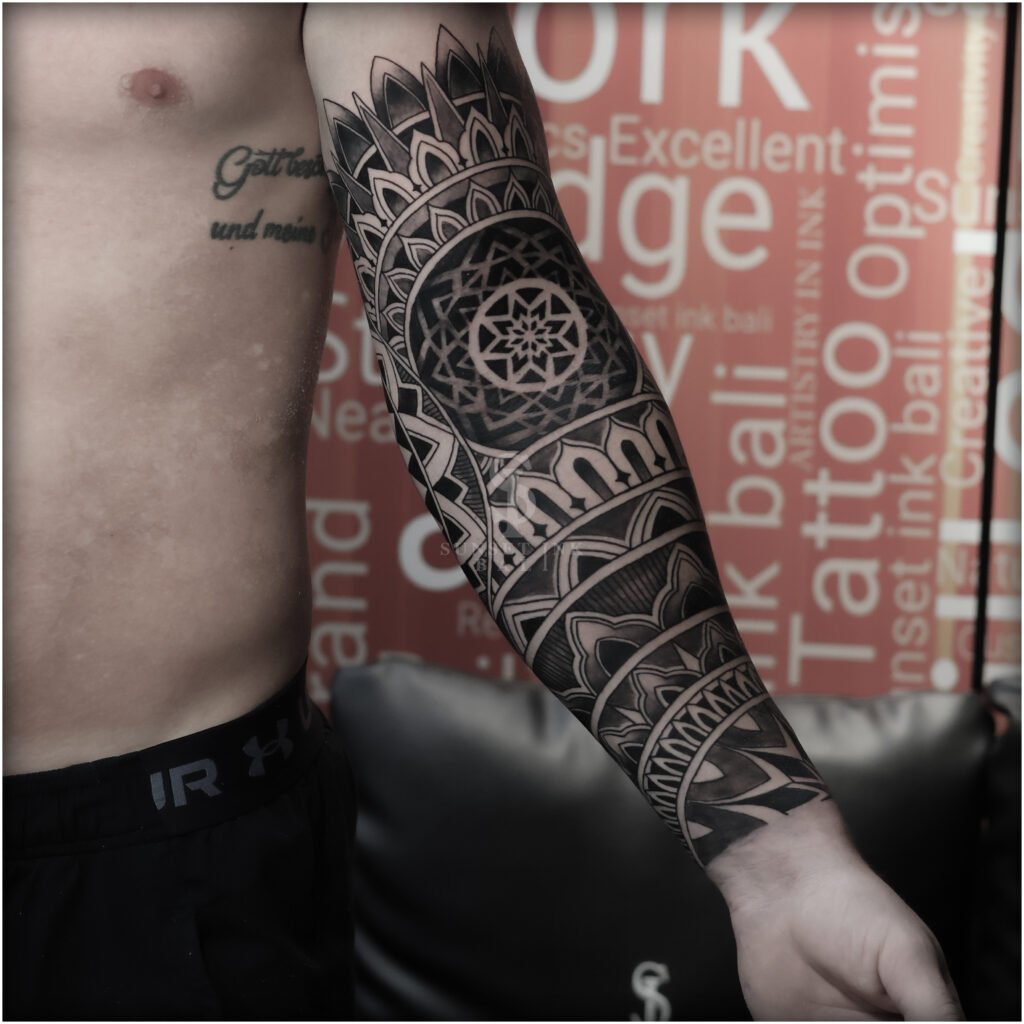
Blackwork uses black ink as a central visual element, often through solid shapes, strong outlines, patterns, or areas of contrast.
This approach can work well for graphic illustrations, ornamental compositions, abstract forms, and designs that rely on clear visual structure.
When reviewing an artist’s portfolio, look for consistency in line quality, solid black areas, and the balance between positive and negative space.
Realism and Detailed Artwork
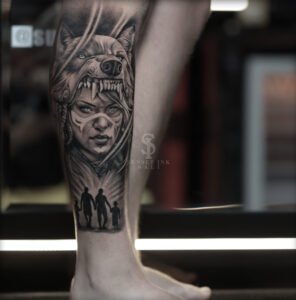
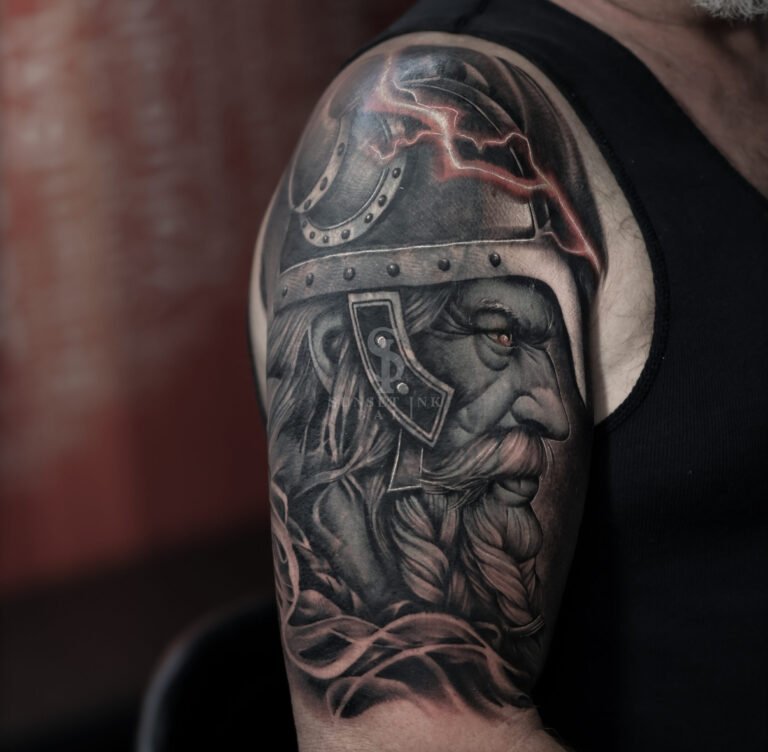
Realistic tattoos aim to recreate the appearance of subjects such as people, animals, flowers, and objects through shading, contrast, and carefully placed detail.
The size of the tattoo matters because the available skin area determines how much information the design can accommodate. A reference photograph with many subtle details may need to be simplified or enlarged to translate effectively into a tattoo.
Look for portfolio examples that demonstrate the specific type of realism you want, rather than assuming that every artist uses the same approach.
Let the Design Guide the Placement
The body area you choose should complement the design rather than be an afterthought.
Long, flowing artwork may work well on an arm or leg, while a symmetrical composition might suit the back or chest. Smaller designs can be placed in many areas, but the amount of detail and the way the skin moves should still be considered.
Your artist can help evaluate the proportions and suggest adjustments before the stencil is applied.
How to Find an Artist Whose Work Matches Your Idea
A beautiful reference image does not automatically mean that every tattoo artist will be the right fit for the project.
Artists develop different strengths and visual approaches. One may be particularly skilled at delicate linework, while another may focus on realism, bold compositions, or ornamental designs.
Look Beyond Social Media Highlights
When reviewing a portfolio, look for multiple examples of the style you want.
Consider whether the artist demonstrates consistent linework, balanced compositions, appropriate contrast, and a good understanding of the subject matter.
Where available, healed tattoo photographs can also provide useful context. Fresh tattoos may appear different from healed work, so reviewing both can help you develop more realistic expectations.
Communicate Your Expectations Clearly
A useful tattoo consultation should establish a shared understanding of the project.
Be prepared to explain:
- The main idea behind your design.
- The approximate size and intended placement.
- The visual style you prefer.
- Which reference details matter most to you.
- Your preferred appointment date and budget.
You do not need to know every technical detail. Your artist can help you work through the design decisions and explain which adjustments may be appropriate.
Make Sure You Understand the Quote
Tattoo pricing can depend on size, complexity, placement, technique, artist experience, and the time required to complete the work.
When requesting a quote, provide a reference image and as much information about the intended design as possible. Ask whether the estimate covers the planned session and whether additional sessions may be necessary.
Before confirming your appointment, make sure you understand the agreed price and any relevant booking conditions.
Planning a Tattoo Around Your Bali Holiday
Bali offers plenty of activities, from beach days and surfing to exploring the island and relaxing by the pool. If you are planning a tattoo during your visit, think about how the appointment fits into those plans.
A fresh tattoo needs protection while it heals. This means that the timing of your session can affect what you are able to do afterward.
Consider Your Activities Before Choosing a Date
If your itinerary includes swimming, surfing, diving, or spending extended periods in the sun, discuss the timing with your tattoo artist before booking.
Swimming and soaking should be avoided while a tattoo is healing. Direct sunlight and friction can also irritate the area, so you will need to plan appropriate aftercare.
You may find it more practical to schedule your appointment after your main water-based activities. However, the tattoo will still require care after the session and once you return home.
Do not assume that a tattoo will be fully healed within a few days. The timeline varies depending on the individual and the tattoo itself.
Allow Time for Preparation and Consultation
Custom tattoos may require additional discussion, design development, or revisions before the session.
If you have a specific concept in mind, contact the studio early enough to explain what you want and ask about availability.
This is particularly important if you are travelling with a fixed departure date or hoping to work with a particular artist.
Planning ahead gives you more time to review the proposed design and make an informed decision.
Think About Your Journey Home
Your tattoo care does not end when you leave the studio.
Before travelling, understand how to keep the tattoo clean, manage its protective dressing, and avoid unnecessary friction during the journey. Wear clothing that is comfortable for the tattoo’s location and follow your artist’s instructions.
If you are flying home soon after your appointment, ask your artist for advice on caring for the tattoo during travel and when to seek medical help if you notice unusual symptoms.
What to Expect Before the Tattoo Session
Preparation is not complicated, but a few practical steps can make the appointment more comfortable.
Prepare Your Body for the Session
Get enough sleep, eat a proper meal, and drink water before your appointment. Avoid arriving intoxicated, and follow the studio’s instructions regarding alcohol and other substances. If you feel unwell, contact the studio to discuss whether it is appropriate to proceed.
If you have relevant allergies, skin problems, or medications that may affect bleeding or healing, disclose them to your artist. Consult a healthcare professional if you are unsure whether a medical condition or medication could affect your suitability for tattooing.
Review the Final Design and Stencil
Before the tattoo begins, take time to review the design on your skin. Check the size, placement, orientation, spelling if applicable, and overall proportions. Look at the stencil from different angles and in a natural posture where appropriate.
Ask questions if something does not look right. It is better to resolve uncertainties before the tattooing starts than to feel pressured into accepting a design you have not fully considered.
Understand the Studio’s Hygiene Practices
A professional tattoo experience should include appropriate infection-control procedures.
Ask how the studio handles sterile needles, clean equipment, ink, protective barriers, and waste disposal if you need clarification. The working area should be prepared appropriately for each client.
Do not feel uncomfortable asking about hygiene. Understanding these procedures is a reasonable part of choosing where to get tattooed.
Looking After Your Tattoo in Bali’s Climate
Aftercare is an essential part of the tattoo process, particularly when your plans involve heat, outdoor activities, or frequent exposure to the elements.
Your artist should provide instructions suited to your tattoo and the protective dressing used during the session.
Why Choose Sunset Ink Bali for Your Tattoo Journey?
Choosing a tattoo studio is a personal decision. You should feel comfortable discussing your ideas, asking questions, and understanding the process before committing to a design.
At Sunset Ink Bali, you can begin by exploring the tattoo styles and artwork featured on the studio’s website. Use the portfolio to identify designs and techniques that align with your vision.
When you are ready to enquire, prepare your reference images and share the size, placement, and approximate date you have in mind. These details help the team understand your request and discuss the next steps. Whether you are considering a small, understated design or a more elaborate piece, the aim is to establish a clear understanding of what you want before the tattoo session begins.
You can learn more about the studio through the Sunset Ink Bali website and contact the team to discuss your tattoo idea.
Frequently Asked Questions
When Should I Book My Tattoo Appointment in Bali?
If you have a particular artist or custom design in mind, contact the studio in advance. Your preferred date, the complexity of the design, and the artist’s availability will determine how much planning is required.
Should I Bring My Own Tattoo Design?
You can bring reference images or a finished concept. If you want a custom tattoo, explain which elements you would like to retain and discuss any changes with your artist before approving the final design.
How Do I Know Which Tattoo Style Suits Me?
Start with the artwork you naturally gravitate toward, then look for artists who have experience with that style. Consider the subject, level of detail, placement, and size before making a final decision.
Can I Swim After Getting a Tattoo in Bali?
Avoid swimming and soaking until the tattoo has fully healed. If your trip includes beach or pool activities, discuss your schedule with your artist before choosing an appointment date.
What Information Do I Need for a Tattoo Quote?
Provide your reference image, approximate dimensions, intended placement, preferred style, and appointment date. Ask the studio to clarify the estimated cost and any conditions before confirming.
How Long Does a New Tattoo Take to Heal?
The surface of a tattoo often takes several weeks to heal, although the exact timeline varies. Follow your artist’s aftercare instructions and avoid activities that could interfere with healing.
Your Tattoo Journey Starts With a Good Plan
A tattoo is a personal piece of artwork, and the process should give you time to think through the choices that matter.
Start with an idea you genuinely like, explore artists whose work suits your vision, and discuss the design before committing. If you are visiting Bali, make sure your appointment also fits your holiday plans and leaves enough time for proper aftercare.
Planning a tattoo in Bali?
Visit Sunset Ink Bali to explore the studio and get in touch about your design. Share your references, preferred placement, and travel dates to start the conversation about your next tattoo.